Your smartphone's display represents one of its most vulnerable and expensive components. A quality screen protector provides essential defense against scratches, cracks, and impact damage. However, navigating the variety of available options can be overwhelming. This comprehensive guide breaks down everything you need to know about screen protectors to make an informed decision.
Understanding Screen Protector Types
Screen protectors fall into two primary categories: tempered glass and plastic film. Each type offers distinct advantages and limitations. Understanding these differences is crucial for selecting the right protection for your device and usage patterns.
Tempered glass protectors have become the gold standard for screen protection. Manufactured through a thermal tempering process, these protectors offer superior hardness and impact resistance. They typically measure between 0.3mm and 0.5mm thick, providing substantial protection while maintaining touch sensitivity and display clarity.
Plastic film protectors, including PET and TPU variants, offer a thinner, more flexible alternative. These protectors typically measure less than 0.2mm thick, making them virtually invisible once applied. While they provide excellent scratch protection, they generally offer less impact resistance than tempered glass options.
Tempered Glass: Premium Protection
Tempered glass protectors dominate the market for good reason. The manufacturing process creates a product that's approximately five times stronger than regular glass. When subjected to extreme force, tempered glass shatters into small, relatively harmless pieces rather than dangerous shards, often absorbing the impact that would otherwise damage your phone's actual screen.
Modern tempered glass protectors typically feature hardness ratings between 8H and 9H on the Mohs scale. This means they resist scratches from most everyday objects including keys, coins, and rough surfaces. The glass surface provides a smooth, responsive feel that closely mimics your phone's original screen, maintaining the premium experience you expect.
Installation of tempered glass protectors has become increasingly user-friendly. Many premium options include alignment frames or adhesive-only edges that prevent bubbles and ensure perfect positioning. The rigidity of glass makes it easier to apply compared to flexible film alternatives.
However, tempered glass isn't without drawbacks. The added thickness can interfere with some phone cases, particularly those with tight-fitting edges. Additionally, glass protectors are more prone to edge chipping if subjected to direct impacts on corners or sides. Quality varies significantly between brands, with cheaper options often featuring poor oleophobic coatings that attract fingerprints.
Plastic Film: Flexible Alternative
Plastic film protectors offer distinct advantages that make them ideal for certain users and situations. The two main types are PET and TPU, each with unique characteristics.
PET film protectors provide basic scratch protection at an economical price point. These rigid films install relatively easily and work well with all case types due to their minimal thickness. However, PET offers limited impact protection and can feel less premium than glass alternatives.
TPU film protectors represent the evolution of plastic protection technology. This flexible material offers self-healing properties, with minor scratches disappearing over time through heat exposure. TPU provides better impact absorption than PET and conforms perfectly to curved screens, making it the only viable option for many edge-to-edge displays.
The primary advantage of film protectors lies in their compatibility and flexibility. They work seamlessly with all cases and cause no thickness-related issues. Film protectors are also significantly less expensive than tempered glass, allowing users to replace them more frequently without concern.
Touch sensitivity with quality film protectors matches or exceeds tempered glass. The ultra-thin profile ensures minimal interference with the touchscreen digitizer. Modern film protectors also feature improved oleophobic coatings that resist fingerprints effectively.
Key Features to Consider
When evaluating screen protectors, several critical features determine overall quality and performance. Understanding these characteristics helps you identify products that deliver genuine value.
Hardness rating indicates scratch resistance, typically measured on the Mohs scale. Ratings of 8H or 9H signify excellent protection against everyday scratches. However, marketing claims often exaggerate these ratings, so checking independent reviews proves valuable.
Oleophobic coating determines how well the protector resists fingerprints and smudges. Quality coatings make cleaning effortless and maintain display clarity. This coating wears down over time, with cheaper protectors losing effectiveness within weeks while premium options maintain performance for months.
Edge coverage significantly impacts both protection and aesthetics. Full-adhesive protectors bond across the entire surface, providing superior protection and preventing dust accumulation around edges. Edge-only adhesive options are easier to install but may develop lift over time and offer less comprehensive protection.
For curved displays, 3D or case-friendly designs are essential. These protectors curve around screen edges, providing full coverage without interfering with cases. Standard flat protectors on curved screens leave vulnerable edges exposed and often experience premature peeling.
Touch sensitivity varies between products and manufacturers. Quality protectors maintain the responsive feel of your bare screen. Some protectors, particularly thicker or lower-quality options, can reduce sensitivity, requiring firmer touches that diminish the user experience.
Installation Best Practices
Proper installation is crucial for screen protector performance and longevity. Following these steps ensures optimal results regardless of protector type.
Prepare your workspace in a bathroom after running hot water for several minutes. The steam settles airborne dust, creating an ideal installation environment. Clean, dry hands are essential to prevent transferring oils onto the screen or protector.
Clean the screen thoroughly using the provided alcohol wipe or microfiber cloth. Remove all dust, fingerprints, and residue. Use the dust removal sticker to eliminate any remaining particles. Even tiny dust specks create bubbles under the protector.
Align the protector carefully before removing the adhesive backing completely. Most quality protectors include alignment tools or guides. For tempered glass, align one edge first, then slowly lower the opposite edge. The adhesive typically bonds automatically, pushing out most bubbles.
Remove any remaining bubbles by gently pushing them toward the nearest edge using the included squeegee or a credit card wrapped in microfiber cloth. Work slowly and methodically to avoid creating new bubbles or scratching the protector surface.
Allow the adhesive to cure for at least 24 hours before subjecting the protector to water or extreme conditions. The bond strengthens over this period, improving durability and reducing the likelihood of premature peeling.
Common Problems and Solutions
Understanding common screen protector issues and their solutions helps you maximize protection and value from your purchase.
Rainbow effect or Newton rings appear as colorful patterns on the screen, typically caused by air gaps between the protector and screen. This issue is most common with edge-adhesive protectors on curved screens. Solutions include applying slight pressure to affected areas or choosing full-adhesive alternatives.
Edge lifting occurs when protector corners or sides separate from the screen. This problem often results from case interference, oily residue during installation, or incompatible protector design. Prevention involves ensuring case compatibility and thorough cleaning before installation.
Reduced touch sensitivity frustrates users who must press harder to register touches. This issue stems from either a thick, low-quality protector or improper installation creating air gaps. Replacing with a thinner, higher-quality option typically resolves the problem.
Halo effect creates a visible border around the protector edge where adhesive doesn't reach. This purely cosmetic issue is common with tempered glass on curved screens. Some users apply a tiny amount of vegetable oil around edges to minimize visibility, though this requires periodic reapplication.
Top Screen Protector Recommendations
Based on extensive testing, several screen protectors consistently deliver excellent performance across various categories.
For premium tempered glass protection, amFilm offers exceptional value with 9H hardness, full adhesive coverage, and easy installation. Their protectors include comprehensive installation kits and typically come in multi-packs, providing great value for money.
Spigen GlasTR EZ Fit represents the easiest installation experience available. The patented alignment tray ensures perfect positioning every time, eliminating the most challenging aspect of screen protector application. Quality matches the convenience, with excellent clarity and touch sensitivity.
For curved screens, Whitestone Dome Glass provides unmatched protection through its liquid adhesive installation process. While more expensive and complex to install, the full-coverage protection and perfect adhesion justify the premium for flagship device owners.
Budget-conscious buyers should consider JETech screen protectors, offering solid basic protection at remarkably low prices. While lacking premium features like advanced oleophobic coatings, they provide adequate scratch protection and include multiple units per package.
When to Replace Your Screen Protector
Screen protectors don't last forever. Knowing when to replace them maintains optimal protection for your device.
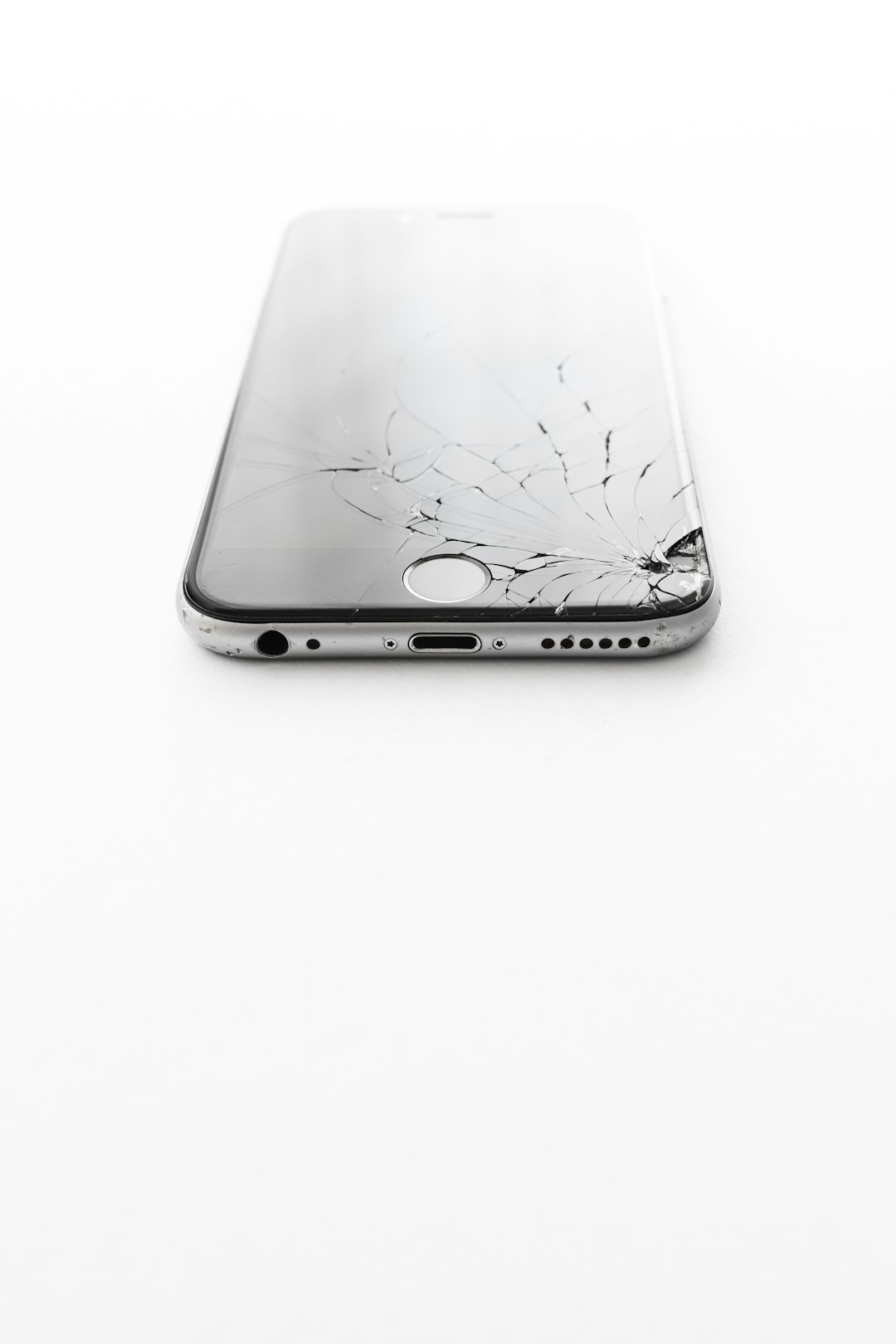
Visible cracks or chips in tempered glass indicate immediate replacement needs. Even small cracks can propagate and compromise the protector's structural integrity. A damaged protector has already served its purpose by absorbing impact that would have damaged your actual screen.
Significant scratches that impair visibility or feel rough under your finger suggest replacement time. While minor scratches are normal, deep grooves that catch your fingernail indicate the protector's protective layer is compromised.
Edge lifting or peeling creates entry points for dust and moisture. Once peeling begins, it typically worsens quickly. Replacing a lifting protector prevents potential damage to your phone's screen from accumulated debris.
Degraded oleophobic coating makes cleaning difficult and leaves constant smudges. When your screen requires frequent cleaning despite minimal use, the coating has likely worn out. This typically occurs after 3-6 months with regular use.
Conclusion
Selecting the right screen protector depends on your device type, usage patterns, and personal preferences. Tempered glass offers premium protection and feel for most users, while plastic film provides excellent scratch protection with maximum case compatibility. Consider your priorities regarding protection level, thickness, ease of installation, and budget. Quality screen protectors are inexpensive insurance against costly screen repairs, making them essential accessories for any smartphone owner in 2025.